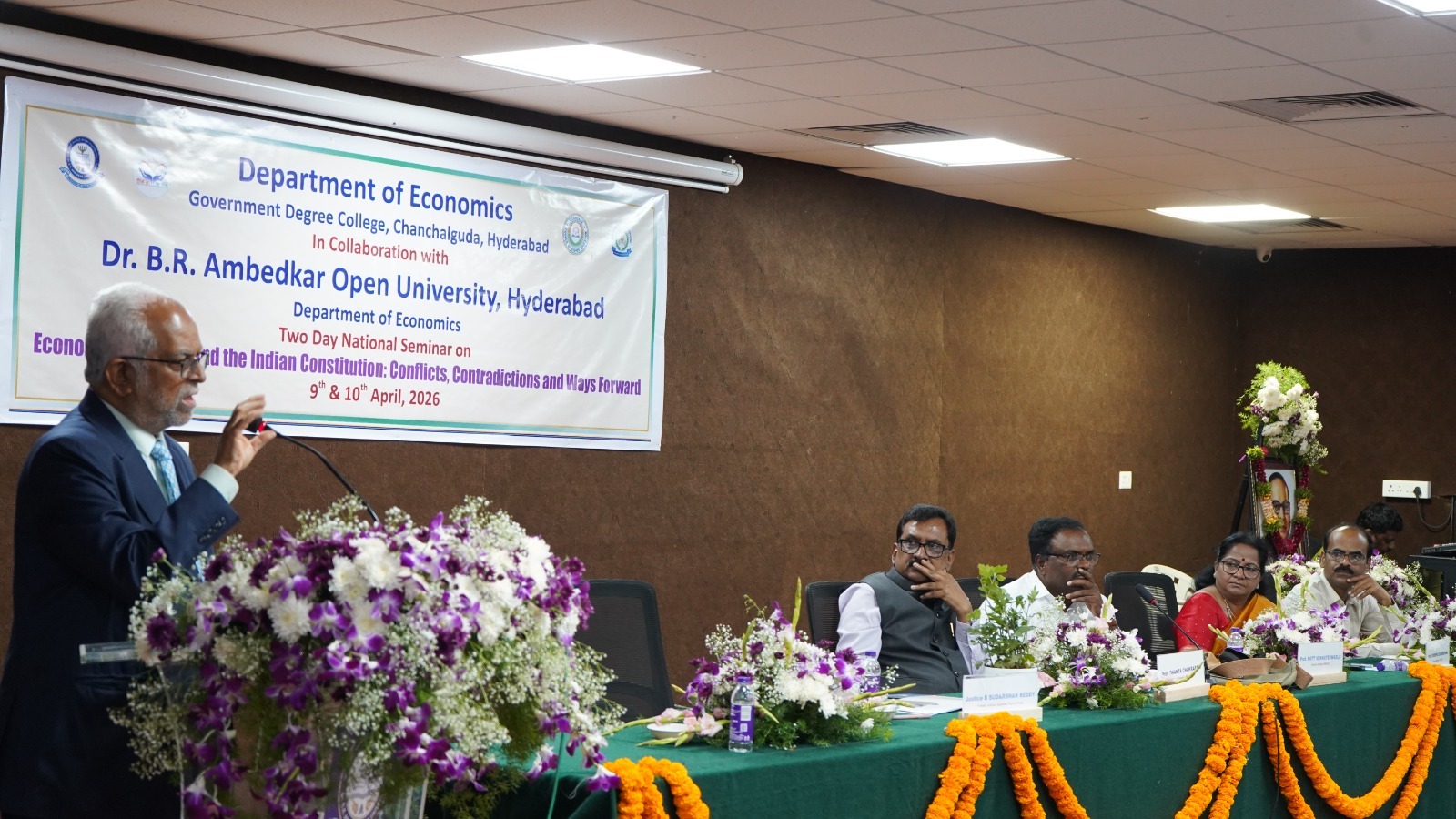
హైదరాబాద్ : రాజకీయ ప్రజాస్వామ్యంతో పాటు ఆర్థిక ప్రజాస్వామ్యాన్ని సాధించాలని సుప్రీంకోర్టు మాజీ న్యాయమూర్తి జస్టిస్ సుదర్శన్ రెడ్డి పేర్కొన్నారు. డా. బి. ఆర్. అంబేద్కర్ ఓపెన్ యూనివర్శిటీ, అర్థశాస్త్ర విభాగం, చంచల్గూడ ప్రభుత్వ డిగ్రీ కళాశాల సంయుక్తంగా నిర్వహిస్తున్న “ఆర్థిక సంస్కరణలు, భారత రాజ్యాంగం : విభేదాలు, భవిష్యత్ దిశ” అనే అంశంపై రెండు రోజుల జాతీయ సదస్సును భారత సుప్రీంకోర్టు మాజీ న్యాయమూర్తి జస్టిస్ బి. సుదర్శన్ రెడ్డి ముఖ్య అతిథిగా పాల్గొని ప్రారంభించారు.
అనంతరం ఆయన మాట్లాడుతూ డా. బి. ఆర్. అంబేద్కర్ రాజ్యాంగ ప్రధాన రూపశిల్పి మాత్రమే కాకుండా ఆయన ఓ విశిష్ట ఆర్థికవేత్త కూడా అని పేర్కొన్నారు. సామ్యవాద స్ఫూర్తి రాజ్యాంగంలో అంతర్లీనంగా నిక్షిప్తమై ఉందని, ముఖ్యంగా సమానత్వం, న్యాయంపై పీఠిక ఇచ్చిన ప్రాధాన్యతలో ఇది ప్రతిబింబిస్తుందని అభిప్రాయపడ్డారు. రాజకీయ ప్రజాస్వామ్యంతో పాటు ఆర్థిక ప్రజాస్వామ్యాన్ని కూడా సాధించాల్సిన ప్రాముఖ్యత ఉందన్నారు. 1946 నాటి కరాచీ తీర్మానాన్ని ప్రస్తావిస్తూ, అది భారతదేశంలో సామాజిక-ఆర్థిక హక్కులకు పునాది వేసిందన్నారు. కాలక్రమేణా అనేక రాజ్యాంగ సవరణలు ఆర్థిక పరమైన ఆందోళనలను పరిష్కరించాయని ప్రస్తావించారు. 1951 నాటి జవహర్ లాల్ నెహ్రూ ఆలోచనలను ఉటంకిస్తూ, నేటి సవాళ్లను తొలితరం నాయకులు ముందే ఊహించారని వెల్లడించారు. జమీందారీ వ్యవస్థ రద్దు, వ్యవసాయ పోరాటాలు, సమానత్వం దిశగా కీలకమైన అడుగులని పేర్కొన్నారు. ఫాసిజం కొత్త రూపాల పెరుగుదల పట్ల ఆందోళన వ్యక్తం చేశారు.
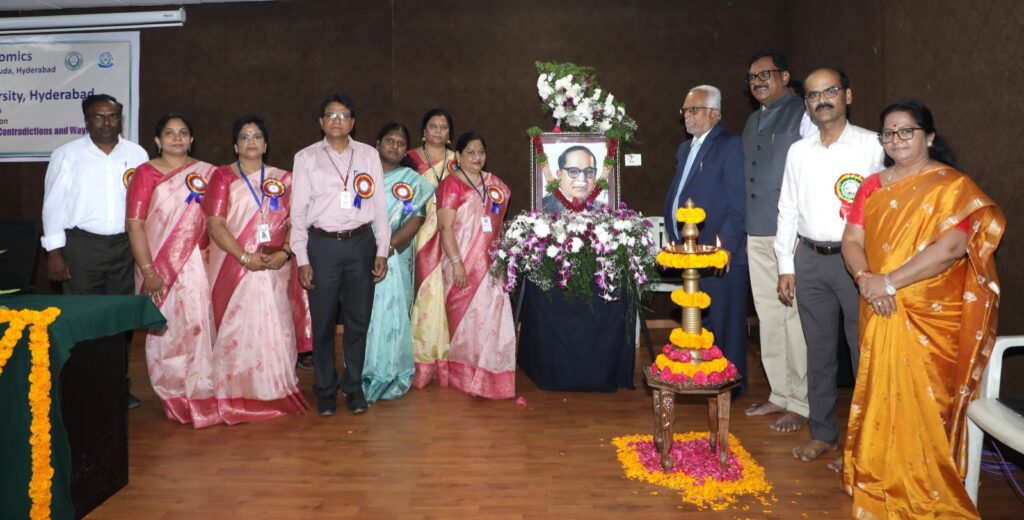
ఈ కార్యక్రమానికి విశ్వవిద్యాలయ వైస్-ఛాన్సలర్ ప్రొ. ఘంటా చక్రపాణి అధ్యక్షత వహించారు. ప్రొ చక్రపాణి మాట్లాడుతూ భారతదేశంలో ఉన్నత విద్యారంగంలో మారుతున్న పరిస్థితుల నేపథ్యంలో ప్రస్తుత రాజ్యాంగాన్ని, అందులోని ఆంతర్యాన్ని అర్థం చేసుకోవాలని సూచించారు. ప్రైవేట్ విశ్వవిద్యాలయాల పెరుగుదల విద్యా రంగంపై తీవ్ర ప్రభావాన్ని చూపుతోందని, అందరికీ ఉన్నత విద్యా అందుబాటులో లేకుండా పోతోందని ఆవేదన వ్యక్త పర్చారు. ప్రభుత్వ సంస్థలకు యూజీసీ నుండి నిధుల కేటాయింపు తగ్గిపోవడంపై ఆందోళన వ్యక్తం చేశారు. ప్రభుత్వ విశ్వవిద్యాలయాలను బలోపేతం చేయడానికి, ప్రజా విద్యను పరిరక్షించడానికి సామూహిక ఆలోచన అవసరమని చెప్పారు. రాజ్యాంగంలో పొందు పర్చినట్లు విద్యా అవకాశాలు అందరికీ సమానంగా అందుబాటులో ఉండేలా చూడాల్సిన భాద్యత ప్రభుత్వంపై, ప్రభుత్వ సంస్థలపై ఉందన్నారు.
ఈ కార్యక్రమంలో ప్రధాన వక్తగా పాల్గొన్న జవహర్లాల్ నెహ్రూ విశ్వవిద్యాలయ (న్యూఢిల్లీ), సెంటర్ ఫర్ ఎకనామిక్ స్టడీస్ అండ్ ప్లానింగ్ అధ్యాపకులు ప్రొ. ప్రభాత్ పట్నాయక్ మాట్లాడుతూ ప్రజాస్వామ్యంలో ప్రజా సంక్షేమాన్ని నిర్ధారించడానికి ప్రభుత్వం కీలక రంగాలపై నియంత్రణను కలిగి ఉండాలని, ప్రభుత్వ రంగానికి, జాతీయీకరణకు ప్రాధాన్యతనిచ్చిన 1948 పారిశ్రామిక విధానాన్ని ఆయన గుర్తుచేశారు. ఆర్థిక విధానాలు ఎల్లప్పుడూ రాజ్యాంగ విలువలకు అనుగుణంగా ఉండాలని సూచించారు. పెరుగుతున్న అసమానతలను ఎత్తిచూపుతూ, సంపదలో గణనీయమైన వాటా అగ్ర భాగం ఒక శాతం మంది వద్ద మాత్రమే కేంద్రీకృతమై ఉందని, ఇది దేశ అభివృద్ధికి ఉపయోగపడదని పేర్కొన్నారు. భారతదేశాన్ని సంక్షేమ రాజ్యంగా మార్చడానికి సంపద, పన్ను, వారసత్వ పన్ను, ప్రాథమిక ఆర్థిక హక్కుల గుర్తింపు వంటి చర్యలను పకడ్బందీగా అమలు చేయాలని ప్రతిపాదించారు.
కార్యక్రమంలో గౌరవ అతిథిగా పాల్గొన్న విశ్వవిద్యాలయం అకడమిక్ డైరెక్టర్ ప్రొ. జి. పుష్పా చక్రపాణి; మాట్లాడుతూ ప్రజా విధానాలను రూపొందించడంలో సామాజిక న్యాయం, సమానత్వ ప్రాముఖ్యతను వివరించారు. ముఖ్యంగా 1991 ఆర్థిక సంస్కరణల తర్వాత ఆర్థిక న్యాయంపై కొత్తగా దృష్టి సారించారని తెలిపారు. కార్యక్రమంలో సెమినార్ డైరెక్టర్ ప్రొ. పి. వెంకటేశ్వర్లు; మాట్లాడుతూ ప్రభుత్వ రంగాన్ని బలోపేతం చేయడంలో 1948 పారిశ్రామిక విధాన ప్రాముఖ్యతను గుర్తు చేస్తూ, ఆర్థిక సంస్కరణలు తప్పనిసరిగా రాజ్యాంగ సూత్రాలపై ఖచ్చితంగా ఆధారపడి ఉండాలని ఉద్ఘాటించారు.
సెమినార్ కో-డైరెక్టర్, ఆర్థికశాస్త్ర విభాగాధిపతి ప్రొ. కె. కృష్ణారెడ్డి; కన్వీనర్, ప్రభుత్వ డిగ్రీ కళాశాల (చంచల్గూడ) వైస్ ప్రిన్సిపాల్ ప్రొ.జి. నాగోజీ; సీనియర్ ప్రొఫెసర్ ఐ. సుధా రాణి, ప్రొ. పల్లవి కాబ్డే, ప్రొ.ఆనంద్ పవార్, ప్రొ. శ్రీనివాస్ వడ్డాణం, ప్రొ. పి. వెంకట రమణ, ప్రొ.జి. దయాకర్, ప్రభుత్వ డిగ్రీ కళాశాల (చంచల్ గూడ) అధ్యాపక సిబ్బంది, బోధనా, బోధనేతర సిబ్బంది, విద్యార్థులు పాల్గొన్నారు.
Also Read-
ACHIEVE ECONOMIC DEMOCRACY ALONGSIDE POLITICAL DEMOCRACY : Justice B Sudarshan Reddy
Hyderabad : Dr. B. R. Ambedkar Open University, Department of Economics in collaboration with Government Degree College, Chanchalguda organized a two-day National Seminar on “Economic Reforms and the Indian Constitution: Conflict, Contradictions, and Ways Forward” as part of “Social Empowerment Week” on April 9 and 10, 2026 at its Campus. Justice B.Sudarshan Reddy, Former Justice Supreme court of India attended as the Chief Guest for Inaugural Session.
Justice Sudarshan Reddy highlighted that Dr. B. R. Ambedkar was not only the chief architect of the Constitution but also a distinguished economist. He noted that the spirit of socialism is inherently embedded in the Constitution, particularly reflected in the Preamble’s emphasis on equality and justice. He stressed the importance of achieving economic democracy alongside political democracy. Referring to the Karachi Resolution of 1946, he said it laid the foundation for socio-economic rights in India.
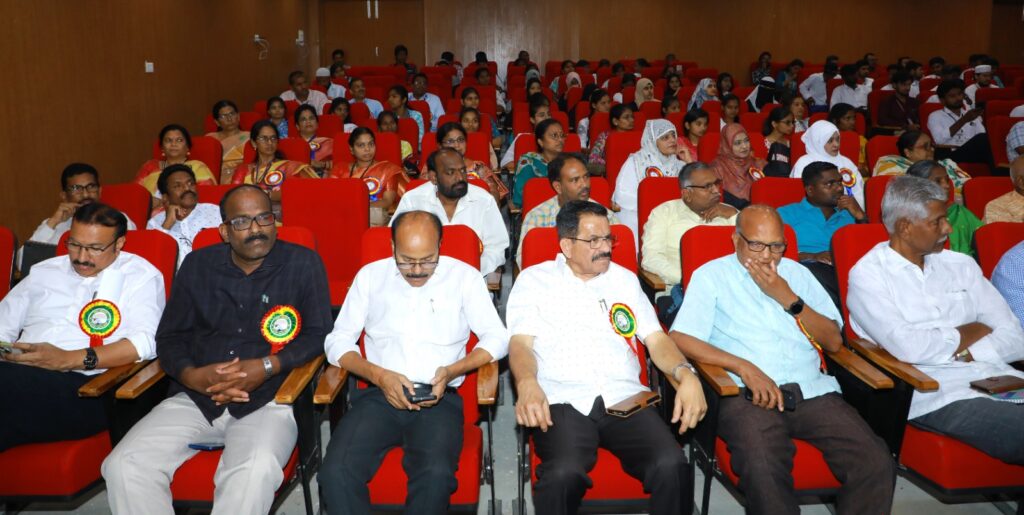
He also mentioned that several constitutional amendments have addressed economic concerns over time. Citing Jawaharlal Nehru’s thoughts from 1951, he pointed out that early leaders had anticipated present-day challenges. He spoke about the abolition of the zamindari system and agrarian struggles as key steps toward equality. He warned against the rise of new forms of fascism and quoted concerns raised by Patnaik regarding the influence of Hindutva forces on democratic systems.
Prof. Ghanta Chakrapani, Vice Chancellor, BRAOU presided over the program. Prof. Chakrapani stated that the present-day Constitution must be understood in the context of changing dynamics in higher education in India. He observed that the growth of private universities has significantly altered the academic landscape. He expressed concern over the declining funding support from the UGC to public institutions. He emphasized the need for collective thinking to strengthen government universities and safeguard public education. He also cautioned that market-driven approaches without moral considerations could undermine the core values of education.
Prof. Prabhath Patnaik, Professor Emeritus, Centre for Economic Studies and Planning, Jawaharlal Nehru University (JNU), New Delhi was keynote speaker for the inaugural functio. Prof. Prabhath emphasized that the Government must retain control over key sectors to ensure public welfare in a democracy. He recalled the 1948 Industrial Policy which prioritized the public sector and nationalization. He argued that economic policies should always be aligned with constitutional values. Highlighting growing inequality, he noted that a significant share of wealth is concentrated among the top one percent. He advocated for measures such as wealth tax, inheritance tax, and the recognition of fundamental economic rights to transform India into a welfare state.
Prof. Pushpa Chakrapani, Academic Director was the guest of honour for the function. She underlined the importance of social justice and equity in shaping public policy. She added that economic justice gained renewed focus, particularly after the 1991 economic reforms.
Prof. P. Venkateswarlu, Seminar Director highlighted the significance of the 1948 Industrial Policy in strengthening the public sector and emphasized that economic reforms must be firmly grounded in constitutional principles. Prof. Krishna Reddy, Seminar Co-Director & Head, Department of Economic, BRAOU; Prof. G. Nagoji (Convener), Senior Professor Prof. E. Sudha Rani, Prof. Pallavi Kabde, Prof. Anand Pawar, Prof. Srinivas Vaddanam, Prof. P. Venkata Ramana, Prof. G. Dayakar, Prof. K. Sridevi, and Prof. Prameela, along with teaching and non-teaching staff of BRAOU and Government Degree College, Chanchalguda, actively participated in the seminar.